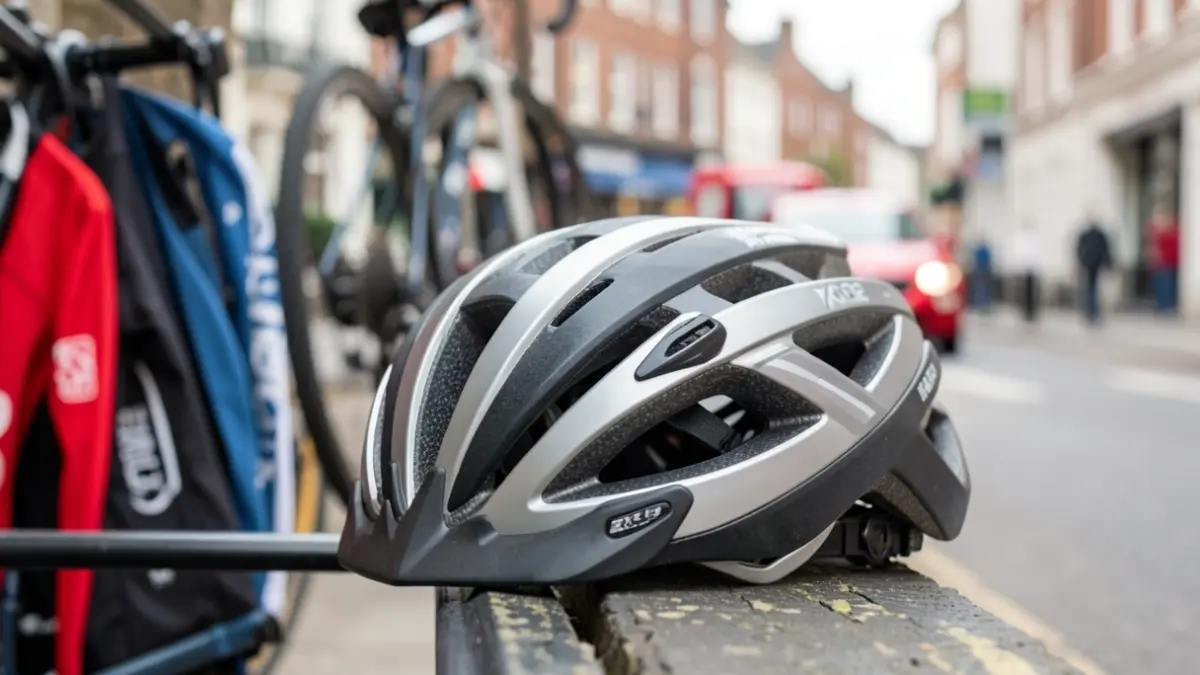
The study, conducted by researchers at Imperial's Dyson School of Design Engineering, tested 30 commercially available helmets, including 6 collapsible models. It simulated common crash impacts and found that collapsible helmets had a higher average linear injury risk (24%) than conventional helmets (20%).
Factors contributing to the lower performance of collapsible helmets included their average 57% greater weight and limited use of rotational protection technologies. Only one of the six collapsible helmets tested incorporated such technology, compared to half of the conventional models.
However, the researchers emphasised that the performance gap is not inherent to collapsible designs. Testing two versions of the same model, one with Multi-directional Impact Protection System (MIPS) technology, showed the MIPS-equipped helmet ranking second overall, while the version without MIPS ranked 26th out of 30.
The study, funded by The Road Safety Trust, aims to feed into the HEAD Lab’s Helmet Impact Protection Effectiveness Rating (HIPER) system, which provides consumers with safety data. While all tested helmets met minimum regulatory standards, the HIPER system offers a more nuanced medal-based rating.
Lead author Dr William Dawber stated, "Collapsible helmets are a great solution to overcome inconvenience... Until now, there has been no way for the wearer to judge how well the different designs protect them against severe head injuries." He added that lighter weight alternatives with added rotational protection could substantially improve outcomes.
Ruth Purdie OBE, Chief Executive of The Road Safety Trust, commented, "We are pleased to see the HIPER rating system for cycle helmets continue to grow and evolve. Backed by world-class research, it is addressing important and timely issues such as foldable helmets."