
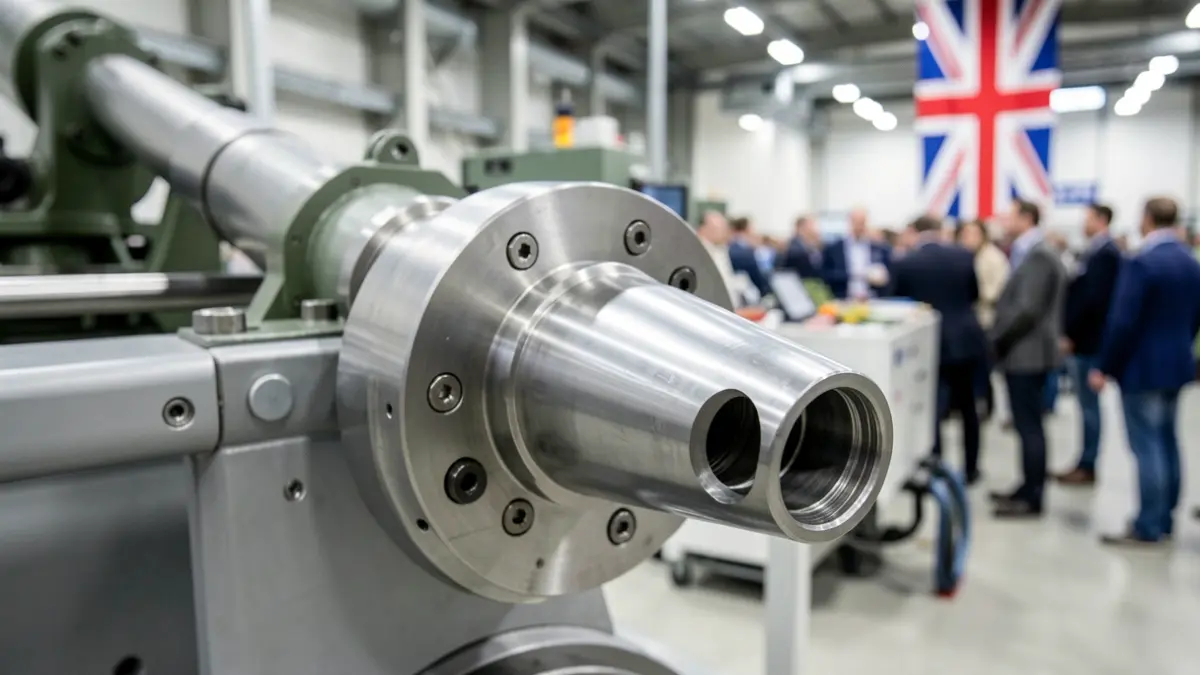
The new facility, a collaboration with Rheinmetall, signifies a renewed focus on British industrial strength and manufacturing capabilities. "For the first time in decades, artillery gun barrels will be produced in Britain," Streeting announced, highlighting the creation of one hundred direct jobs and hundreds more across the supply chain.
The Gun Hall will support the development of next-generation equipment for the British Army, aiming to ensure warfighting readiness by 2030. The opening also underscores the strengthening defence industrial relationship between the United Kingdom and Germany.
Streeting emphasised that the facility is more than just a manufacturing plant; it represents "readiness and resilience." He stated that Britain must possess the capacity to manufacture critical defence components domestically, increase production, and replenish stockpiles to deter adversaries and sustain armed forces during prolonged conflict.
The investment in the Telford facility is expected to inject over £400 million into the UK economy. The Defence Secretary noted that defence investment should not only strengthen national defence but also improve lives and create opportunities across the country, with nearly seventy percent of defence investment already spent outside London and the South East.
The opening of the Gun Hall is seen as a symbol of deepening defence industrial cooperation, with the UK and Germany working together to build manufacturing capability and strengthen NATO. "Stronger domestic industries and deeper allied integration are not contradictory. Done right, each strengthens the other," Streeting remarked.