
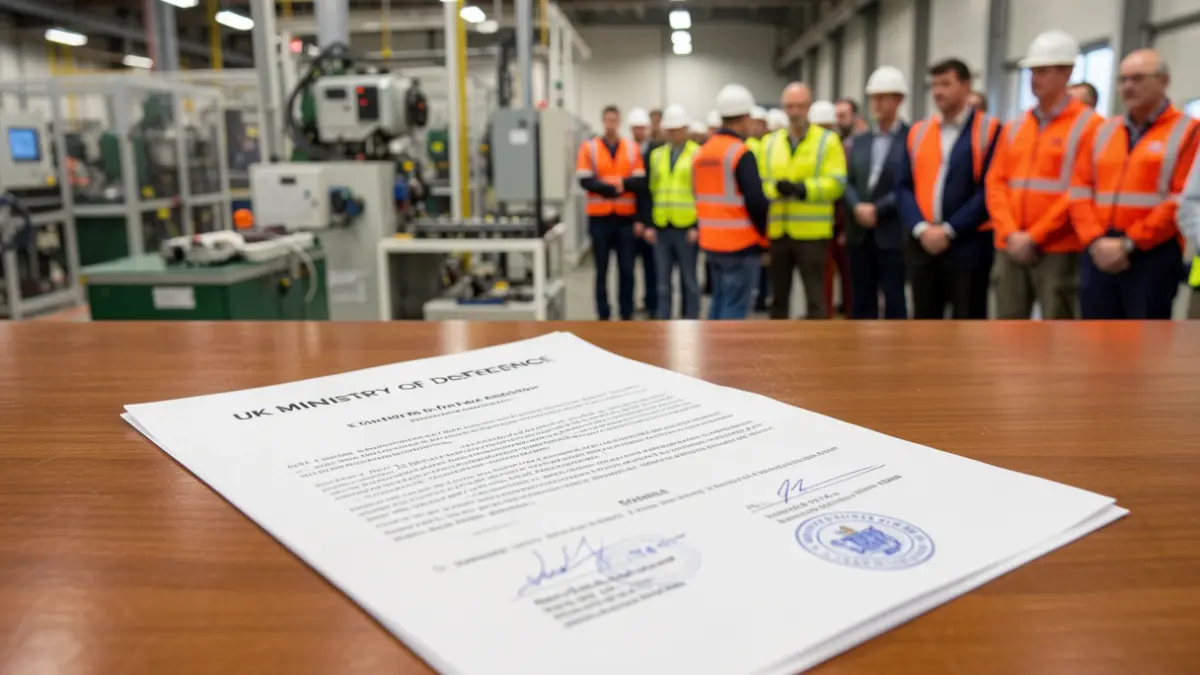
New rules mandate that foreign defence contractors must reinvest benefits such as new British jobs, apprenticeships, factory openings, domestic supplier investment, and technology transfer, up to the full value of the contract. This initiative aims to bolster the UK's industrial base and support economic growth across the nation.
The government is prioritising British defence contracts where possible. For contracts that must be sourced overseas, this policy ensures that British workers and businesses still benefit. The move is expected to foster long-term partnerships between overseas suppliers and UK industry, aiding small and medium-sized enterprises (SMEs) in accessing global supply chains.
“"We are putting British jobs and British businesses at the heart of how Government spends taxpayers’ money. When a big contract goes overseas, these changes will ensure 100% of the value creates new opportunities for workers and businesses here at home, strengthening our industrial base and supporting growth across Britain."
The policy, announced by the Chancellor and Defence Secretary during a visit to BAE Systems in Glasgow, applies to contracts over £50 million. It aligns with the government's 'Back British' approach outlined in the Budget and supports the target of spending 3% of GDP on defence by 2030, moving towards the NATO commitment of 3.5% by 2035.
“"Every pound we invest in defence should be judged by what it does for Britain. That’s why we are backing British by buying British wherever we can. Even when that is not possible, we are acting to ensure that any investment brings jobs, skills and investment back home, strengthening our national security by boosting our domestic industry."
Companies can meet their offset commitments through various means, including creating UK jobs, expanding factories, investing in British suppliers, transferring technology, and using more UK-made components. The UK joins countries like Poland, Norway, and the Netherlands in utilising similar offset policies. A new central Offset Authority will oversee these agreements, with the policy set to apply to select procurements from April 2027.
This initiative is part of the government's broader strategy to strengthen national security and economic growth, supported by a £298 billion Defence Investment Plan over the next four years. It also complements recent announcements regarding the National Wealth Fund and British Business Bank's investment in defence sectors and treaty negotiations for multilateral defence procurement.