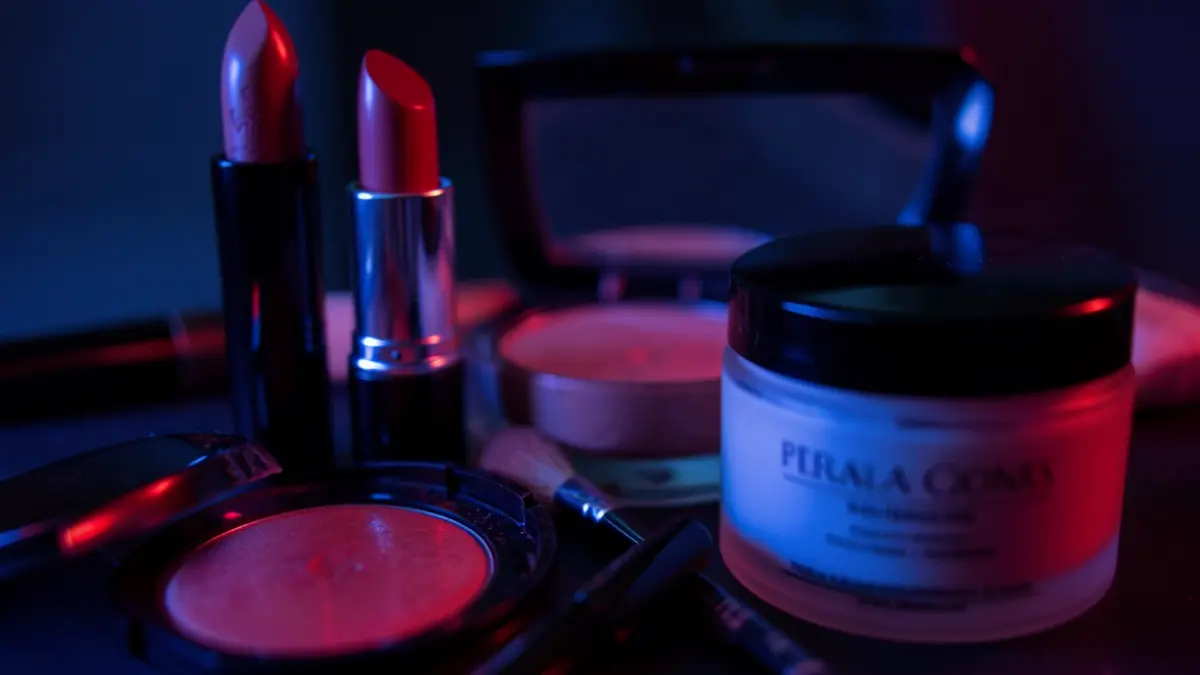
Tests on seized counterfeit cosmetics in the UK revealed that four in ten products contained potentially harmful ingredients. These included 13,200 parts per million of mercury in one skincare product, high levels of lead in lipstick, eyeshadow, and contour products, and nicotine in perfume. A counterfeit fragrance was found to contain around 80% methanol, a toxic alcohol.
The campaign highlights that cosmetics, skincare, and perfumes are increasingly targeted by counterfeiters in the UK, now ranking among the top ten most investigated fake goods by Trading Standards. Legitimate UK cosmetics must meet strict safety requirements, which counterfeit products are unlikely to have undergone.
A significant concern is the rise in purchases among young adults; 20% of 18 to 24-year-olds who bought beauty products in 2025 admitted knowingly buying fakes, more than triple the proportion in 2023. Nearly three-quarters of these purchases were made online, making it difficult to identify fakes due to convincing listings and branding.
“"These findings show why counterfeit beauty products can pose such serious risks to consumers. Products can look remarkably convincing but behind the packaging they can contain dangerous substances that have no place in the cosmetics people use every day, and can be made in appalling, unhygienic conditions."
The IPO is collaborating with content creators and the beauty industry to raise awareness through visual content and expert evidence. New guidance is being shared with businesses on identifying warning signs and sourcing products from trusted suppliers. Consumers are advised to check sellers, question unusually low prices, examine product information, and report concerns to Trading Standards.
Dr Emma Meredith, Director-General of the Cosmetic, Toiletry and Perfumery Association (CTPA), emphasised the rigorous safety framework behind legitimate cosmetic products in the UK, contrasting it with the bypassed safeguards of counterfeits. Millie Kendall, CEO of the British Beauty Council, also expressed support for the campaign, highlighting the industry's commitment to safety and trust.