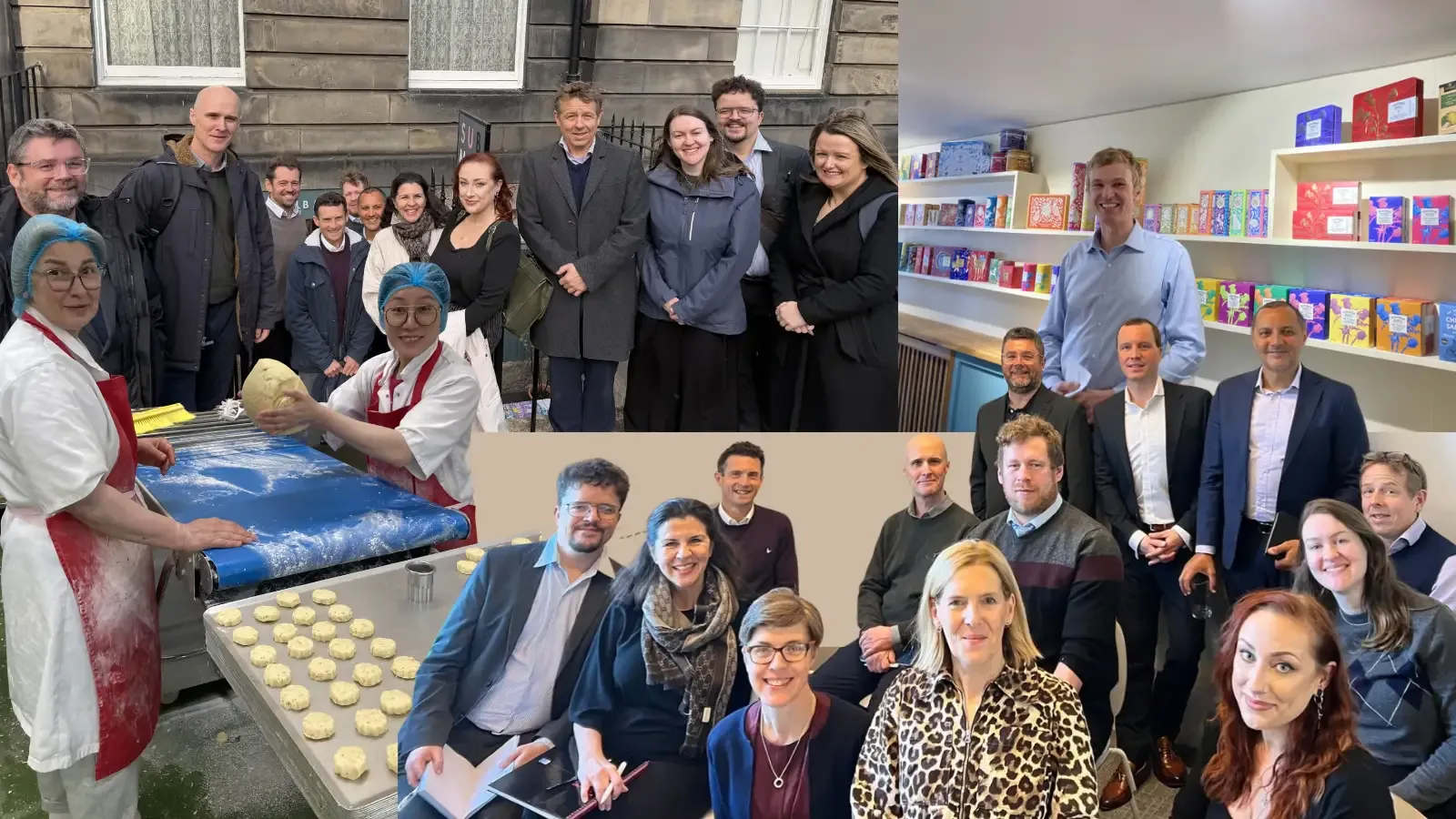
The SME Safari initiative connects civil servants working on SME policy and programmes with entrepreneurs in their operational environments. This recent visit to Edinburgh provided a firsthand look at the challenges and successes faced by small and medium-sized enterprises.
A key observation was the value of light manufacturing in city centres, exemplified by a visit to Shortbread House of Edinburgh. The handmade baking operation highlighted the importance of urban manufacturing for local employment and self-sufficiency. However, concerns were raised about potential increases in rates on warehouse spaces, which could impact businesses like this already facing rising employment, energy, and ingredient costs.
Discussions also centred on domestic skills and international talent. Calls were made for stronger links with skills providers to train the local workforce in trades, as job adverts for production line roles attract fewer applicants than marketing positions. Businesses are increasingly relying on international talent, but visa issues pose a significant concern for both employers and employees who have established families and careers in Scotland.
Access to funding remained a primary focus during a roundtable with members of Women’s Enterprise Scotland. The group advocated for directing finance towards sectors with higher female founder representation, such as care and education, and called for a review of private fund matching requirements and for gender-disaggregated data. The British Business Bank has since committed a further £100m to female-led firms.
A visit to SnapDragon Monitoring shed light on the scale of Intellectual Property (IP) crime, with global lost revenue estimated at $500bn annually. The company's investigators highlighted the effectiveness of the Police IP Crime Unit and recommended increased resources for this body to combat growing online impersonation that harms small firms.
The power of peer support was consistently emphasised, with entrepreneurs sharing experiences of long-standing peer groups providing crucial counsel and support. Representatives from FSB Scotland and ACCA Scotland also shared insights into the needs of small businesses. A discussion with Nick Ford, Director of Procurement at the Scottish Government, revealed that 47% of contracts go to SMEs in Scotland.
Carolyn Currie MBE MCBI, leader of Women’s Enterprise Scotland, encapsulated the safari's ethos, stating that policy is better designed when policymakers are close to those it intends to serve. The entrepreneurs' willingness to share their experiences was greatly appreciated.