New research highlights the resilience of Scotland's rural and island creative industries in the face of challenges such as Brexit, the COVID-19 pandemic, and rising costs. The study, part of the Scottish Government funded Novel Insights on Scotland’s Rural and Island Economies (NISRIE) project, gathered evidence from businesses across the sector to identify opportunities for future growth.
While many businesses have adapted well, rising operational costs, including travel, accommodation, insurance, and software, continue to exert significant pressure, particularly on those in island communities. The impact of Brexit and the pandemic has varied, with music and performing arts organisations facing increased international costs, while digital design, architecture, and film editing sectors have benefited from remote working opportunities.
“"Our research shows that rural and island creative businesses are adaptable and resilient, but they also face challenges that are unique to their location. Better digital connectivity, funding that reflects rural realities and targeted business support will be key to helping these businesses continue to grow and contribute to their communities."
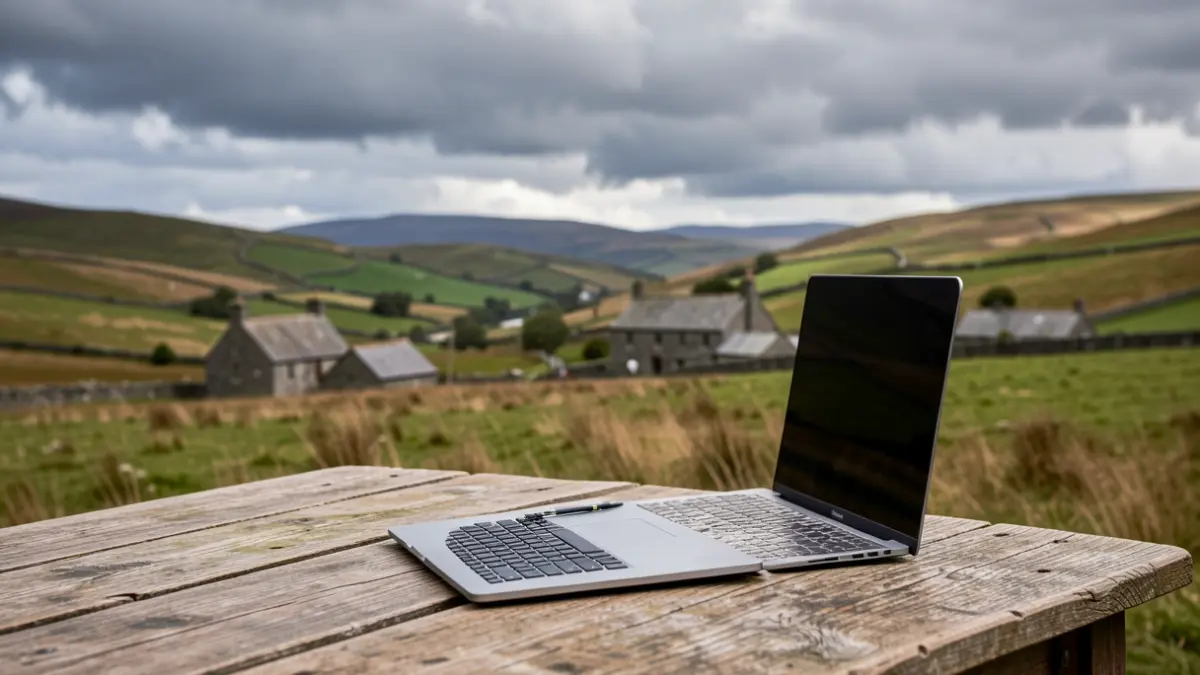
The report identifies opportunities presented by digital technology and hybrid working, which enable creative professionals to establish successful businesses while living rurally. However, barriers such as unreliable broadband, difficulties accessing funding, challenges in securing public sector contracts, and regulatory hurdles persist.
Recommendations include a place-based approach to support, with investment in digital infrastructure, funding models that account for higher rural operating costs, and improved coordination among business support services. The research was led by Professor Steven Thomson, Dr Jane Atterton, and Jenny McMillan.