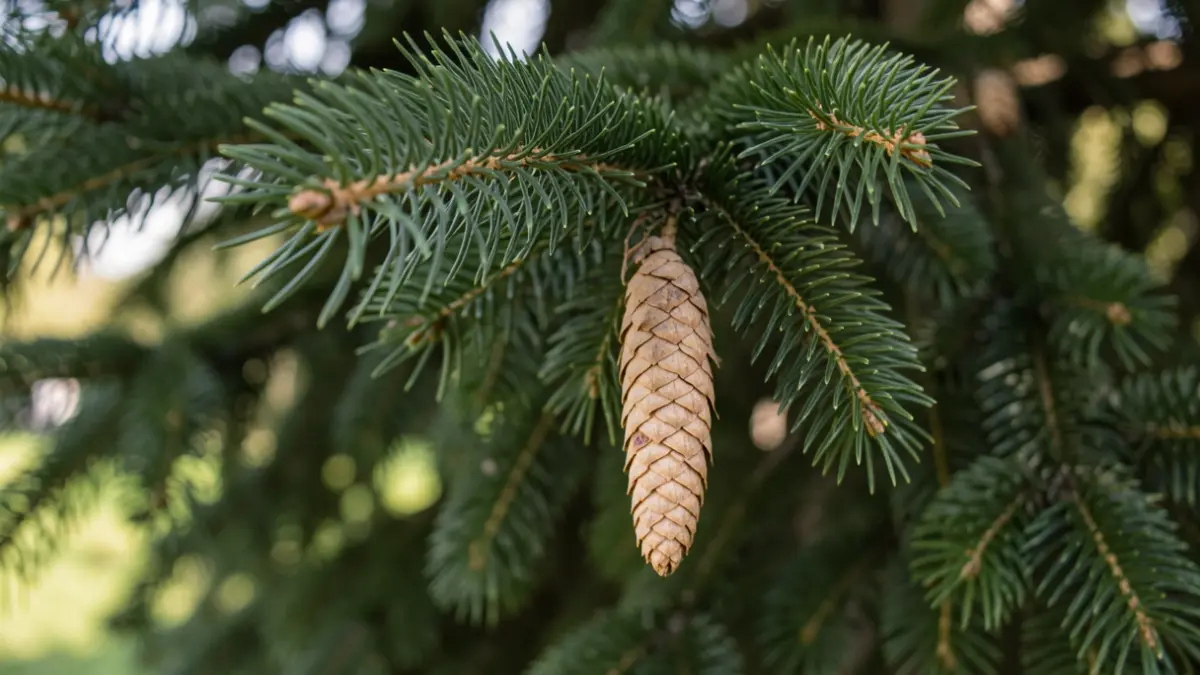
The Norway spruce, instantly recognisable as the traditional Christmas tree, has been valued in England since the nineteenth century for its timber and beauty. Its graceful shape, rich green needles, and hanging cones make it a distinctive sight in forests across the country. Once a primary species for timber in British forests, it was largely replaced by Sitka spruce in the twentieth century.
Today, forestry experts are exploring the Norway spruce's potential in creating diverse, productive, and sustainable forests for the future, particularly as climate change progresses. The species offers shelter and habitat for wildlife, and its timber remains significant in modern forestry. Key facts include a height of up to 40 metres, a lifespan of 150-200 years, and it is not native to the UK, originating from northern, central, and eastern Europe.
The tree's popularity as a Christmas tree surged in the 1840s, notably after Prince Albert popularised the tradition at Windsor Castle, bringing it from his native Germany. Identification features include smooth to rough bark, dark green, sharply pointed needles growing from woody pegs, long cylindrical cones that hang downwards, and a neat, triangular shape in younger trees.
Norway spruce timber, known as ‘white deal’, is tough and elastic, used for construction, joinery, boxes, and paper. Its sound-transmitting properties also make it ideal for musical instruments, earning it the nickname ‘violin wood’. Historically, its resin was used for turpentine and pitch for waterproofing ships, and its twigs for spruce beer.
Despite not being native, the Norway spruce provides vital habitat for woodland species. Its dense canopy offers year-round shelter for birds, which also feed and nest among the trees. Mammals like red squirrels and deer use spruce woodlands for food and shelter, while various insects form a crucial part of the food chain.
Forestry England is committed to restoring native woodlands and is re-evaluating the Norway spruce for timber production due to its higher drought tolerance compared to Sitka spruce, making it suitable for the changing climate. Long-term trials are underway to identify the most resilient seeds for future conditions. The tree can also act as a 'nurse' species, encouraging straighter growth in young oak trees.