A new competition, delivered by Innovate UK on behalf of the Department for Business, Innovation, Science and Trade, aims to bolster the UK's position in battery technology. The initiative focuses on sourcing and processing battery materials, enhancing recycling processes, strengthening domestic manufacturing, and reducing reliance on overseas supply chains.
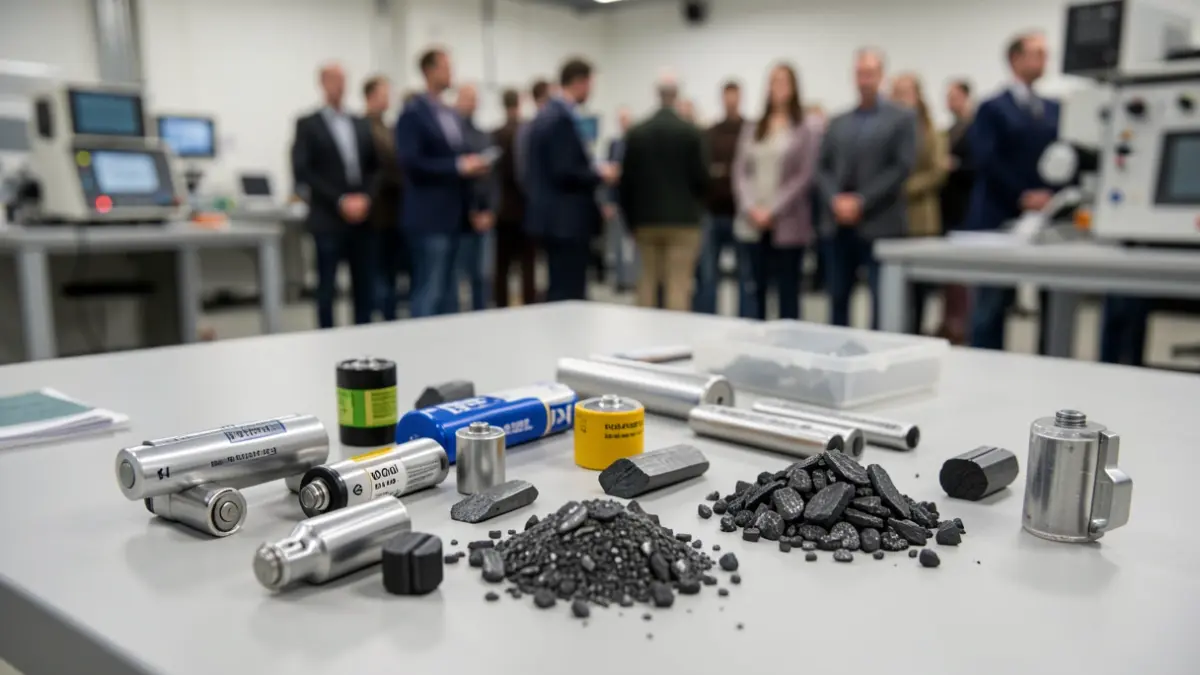
Lithium Battery Recyclers Ltd has received over £1.2 million to lead Project Reclaim. This project will develop a novel UK-based process for recycling end-of-life electric vehicle batteries. The technology, originating from the University of Leicester, utilises a small amount of vegetable oil in water to separate valuable materials like graphite without the need for acid leaching or hazardous chemicals. The project plans to scale up this technology at a pilot facility in Widnes, Cheshire, and test the recovered materials for reuse in new batteries, aiming to reduce recycling energy consumption and retain valuable materials within the UK.
Hyperbat, now part of Unipart Manufacturing Group, has been awarded more than £2.4 million for a project focused on reducing the number of electric vehicles written off due to battery issues. The project aims to develop a clear process for assessing battery repairability, reusability for energy storage, or safe recycling, thereby extending battery life, minimising waste, and creating skilled jobs.
In addition, over £6.2 million has been allocated to 15 shorter feasibility studies exploring new ideas across the battery supply chain. These projects, running for six to 12 months, will assess the viability of early-stage technologies for improving battery production, usage, reuse, and recycling.
Superdielectrics Group and Sytronix have secured nearly £500,000 to test a new type of water-based battery designed to help data centres manage rapid electricity demand changes, potentially supporting AI server operations without straining local networks. This technology could also offer a safer alternative to lithium-ion batteries and decrease reliance on imported materials.
The Battery Innovation Programme has also invested £3.6 million in three regional skills initiatives. These programmes will accelerate the development of the UK's battery manufacturing workforce through industry-focused, nationally accredited training across England, equipping learners for careers in advanced manufacturing and helping businesses access talent.
Dr Valentina Gentili, Director of the Battery Innovation Programme, stated, "As global demand for batteries continues to grow, it is increasingly important that the UK focuses on the areas where it can deliver the greatest impact and strategic value. The projects supported through this competition demonstrate the breadth of innovation taking place across the UK battery sector. By investing in new technologies, strengthening supply chains and supporting business growth, we are helping to build the capabilities, expertise and partnerships that will further strengthen UK sovereign capability and position the UK as a leader in battery innovation."
Minister for Reindustrialisation Blair McDougall commented, "This funding will give Britain’s battery manufacturing industry the support they need to power the industries of the future and keep our country at the cutting edge of innovation. Through our Modern Industrial Strategy we’re doubling down on Britain’s high-growth sectors like advanced manufacturing, and I want to congratulate all the winners on their success and their role in reinforcing Britain’s leadership in this fast-growing industry."
Further details reveal that nine projects received £18.74 million in grant funding for concept development, including initiatives led by Evove Ltd, Amplisi, Hyperbat, Battery Mineral Ltd, Fluorok Ltd, Recyclus Group, Ecobat Solutions UK Ltd, Lithium Battery Recyclers Ltd, and Reore Technologies. Additionally, 15 feasibility studies were awarded £6.23 million, with leads including Integrals Power Ltd, LanthaGen Bio Ltd, AceOn Battery Solar Technology Ltd, DZP Technologies Ltd, Altra Solutions Ltd, RE24 Ltd, Gaussion Ltd, Superdielectrics Group plc, ChargeRevive Ltd, Novacore Technologies Ltd, Entropyst Ltd, PuriFire Labs Ltd, Gavion Ltd, Stortera Ltd, and Nanomox Ltd. Three battery skills competition projects received £3.6 million, involving University Centre Somerset, University College Birmingham, and Newcastle University with New College Durham.