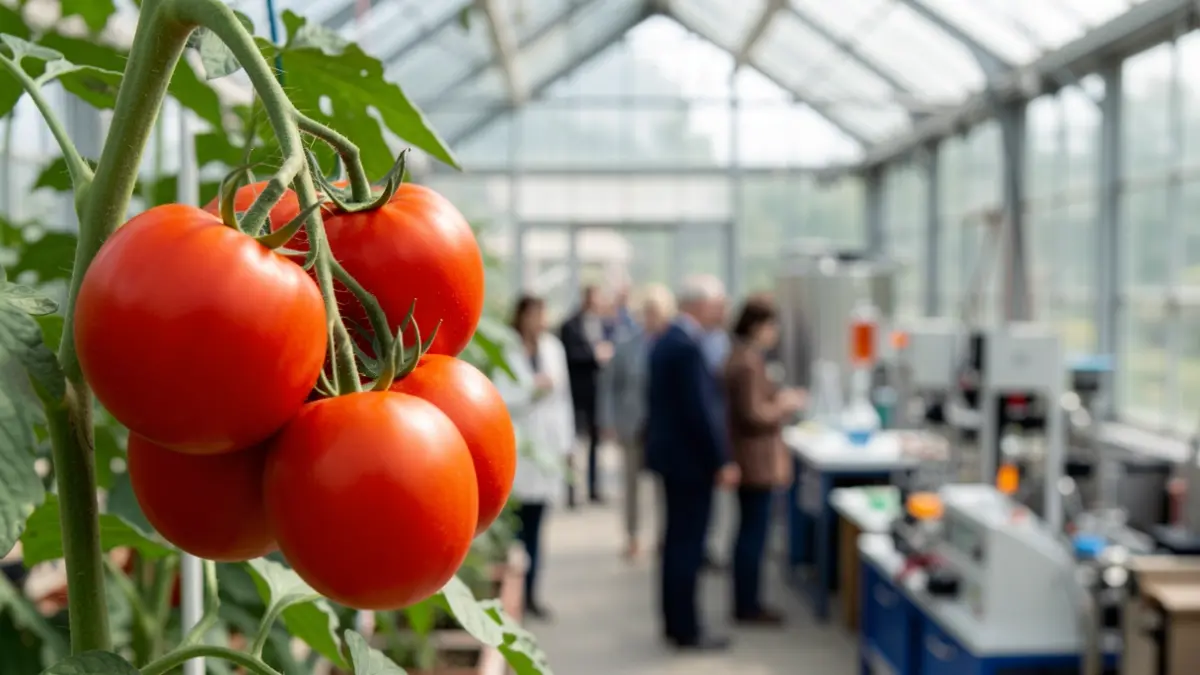

Established in 2006, originally as the Manchester Interdisciplinary Biocentre, the institute was founded on a vision to integrate biology with the university's strengths in physical sciences and engineering. This £38 million interdisciplinary research centre was designed to foster collaboration between researchers and industry across biology, chemistry, engineering, and computer science.
Today, MIB is home to around 400 researchers across more than 40 research groups, securing over £120 million in live grants and producing approximately 200 research publications annually. The institute has also facilitated the creation of 16 commercial companies and nurtured long-standing industry partnerships.
Professor Anthony Green, Director of MIB, highlighted the institute's success stemming from its collaborative approach, bringing together complementary expertise and providing a multidisciplinary environment to address ambitious challenges. He emphasised the productive dialogue with industry partners, which helps shape research and training programmes to tackle real-world issues.
Over the past 20 years, MIB researchers have focused on combining fundamental biological discovery with practical applications. This includes developing sustainable methods for producing chemicals and materials, engineering biological solutions for environmental problems like pollution and carbon emissions, and pioneering new approaches to advanced medicine production and delivery. Professor Green noted the institute's strength lies in its ability to make fundamental discoveries while addressing real-world problems, operating effectively at the interface of fundamental science and translational research.
Notable successes include research inspired by Joy Milne, leading to a skin-swab approach using mass spectrometry to study chemical differences in sebum, potentially detecting Parkinson's disease years before symptoms appear. Additionally, research supported by the Gates Foundation is developing low-cost biomanufacturing routes for Global Health drugs, such as a long-acting HIV-prevention medicine, by engineering enzymes and exploring AI for enzyme design.
MIB's impact also includes fostering skills, businesses, and industrial capability. The Centre of Excellence for Biocatalysis, Biotransformations and Biocatalytic Manufacture (CoEBio3) has commercialised over 1,000 biocatalysts and supported the establishment of Manchester as a major centre for industrial biocatalysis. MIB spin-out C3 Biotech is developing methods to manufacture chemicals from waste materials, demonstrating continuous production at its pilot plant in Stockport.
Looking ahead, MIB is investing in training the next generation of researchers through initiatives like the Manchester Biomolecule Engineering Centre (MBEC) and doctoral programmes in biocatalysis, AI-enabled biotechnology, and microbial engineering. The institute is also strengthening the North West's biotechnology economy through the Industrial Biotechnology Innovation Catalyst (IBIC), connecting five North West universities with businesses and investors to foster commercial opportunities. IBIC aims to support 25 early-stage companies and ten new spin-outs by 2029.
Professor Green anticipates significant advancements in predicting and designing biological systems with sophisticated properties in the coming decades, enabling faster progress in addressing complex societal needs.