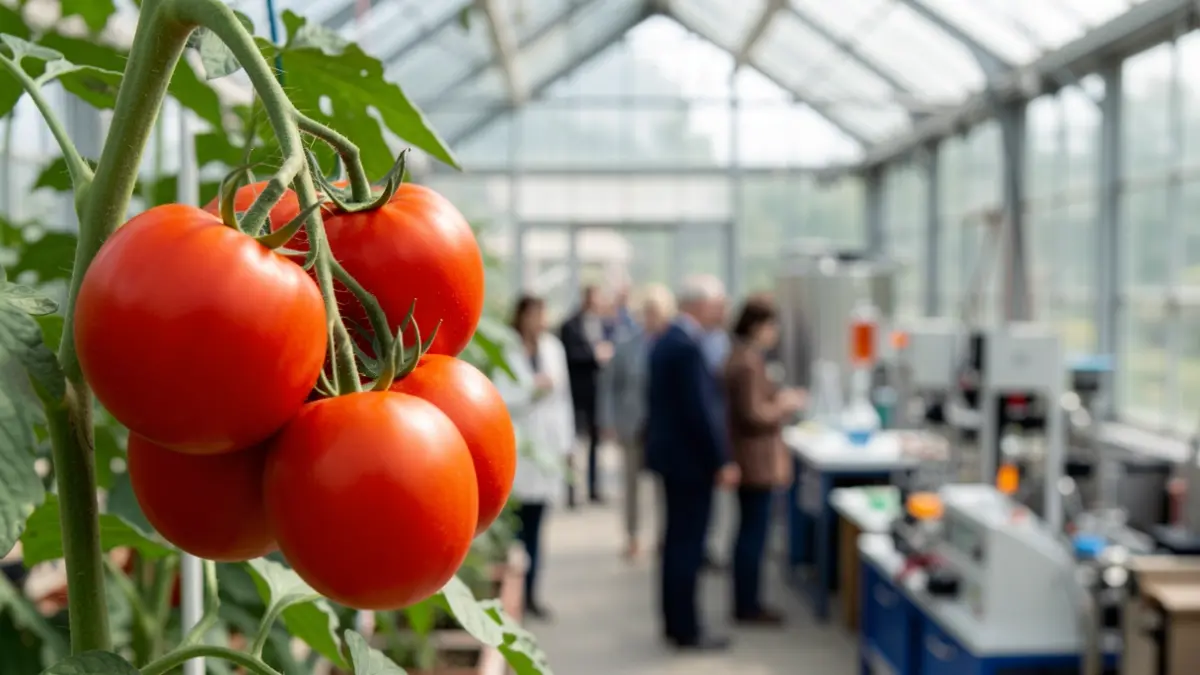
This collaboration builds on a long-standing relationship between the university and the award-winning tomato grower. The new KTP, led by Dr Huijing Chen, will leverage the university's expertise to address the persistent challenge of matching produce supply with customer demand. By improving the use of company data, the project aims to support smarter planning, minimise food waste, and strengthen overall business performance.
The initiative is the result of sustained engagement, including student projects and collaborative research. It begins at an opportune moment, following Isle of Wight Tomatoes' recent recognition as Grower of the Year by Marks & Spencer, acknowledging their commitment to quality, innovation, and responsible growing practices.
The project acknowledges the inherent unpredictability of tomato cultivation, where factors such as weather, environmental conditions, and crop variations influence availability. Simultaneously, customer demand fluctuates due to seasonality, promotions, and market trends. The KTP seeks to provide solutions by improving forecasting accuracy, enabling the company to better align supply with demand, optimise crop utilisation, and reduce waste.
The University research team, also including Professor Chris Simms and Dr Edward Smart, brings expertise in operational research, forecasting, data analytics, innovation management, and technology integration. Their collective goal is to foster more agile decision-making across all aspects of the operation, from growing and harvesting to sales and supply chain management.