The deep sea, Earth's largest microbial habitat, hosts a vast diversity of microorganisms that have evolved to survive extreme conditions such as intense pressure and near-freezing temperatures. These microbes possess unusual enzymes and molecules with potential applications in pharmaceuticals, new materials, food, and energy. However, less than 1% of these microorganisms can currently be cultivated using conventional methods, as rapid changes in pressure and temperature upon sample retrieval can kill them.
The DISCUSS system, detailed in Nature Sensors, maintains deep-sea conditions throughout the sample collection, growing, and isolation process. Researchers successfully recovered 34 microbial isolates from samples collected 1,300 metres beneath the sea. The technology enabled the cultivation of a microbe dependent on high pressure, which cannot survive under normal atmospheric conditions.
Zhengguang Liu, a researcher at The University of Manchester, highlighted the system's ability to overcome longstanding scientific challenges. "DISCUSS helps address this challenge by recreating and preserving the environments these microbes depend on," Liu stated. "By bringing together environmental sensing, digital modelling and robotics, we can study microbial life that has previously been difficult to access."
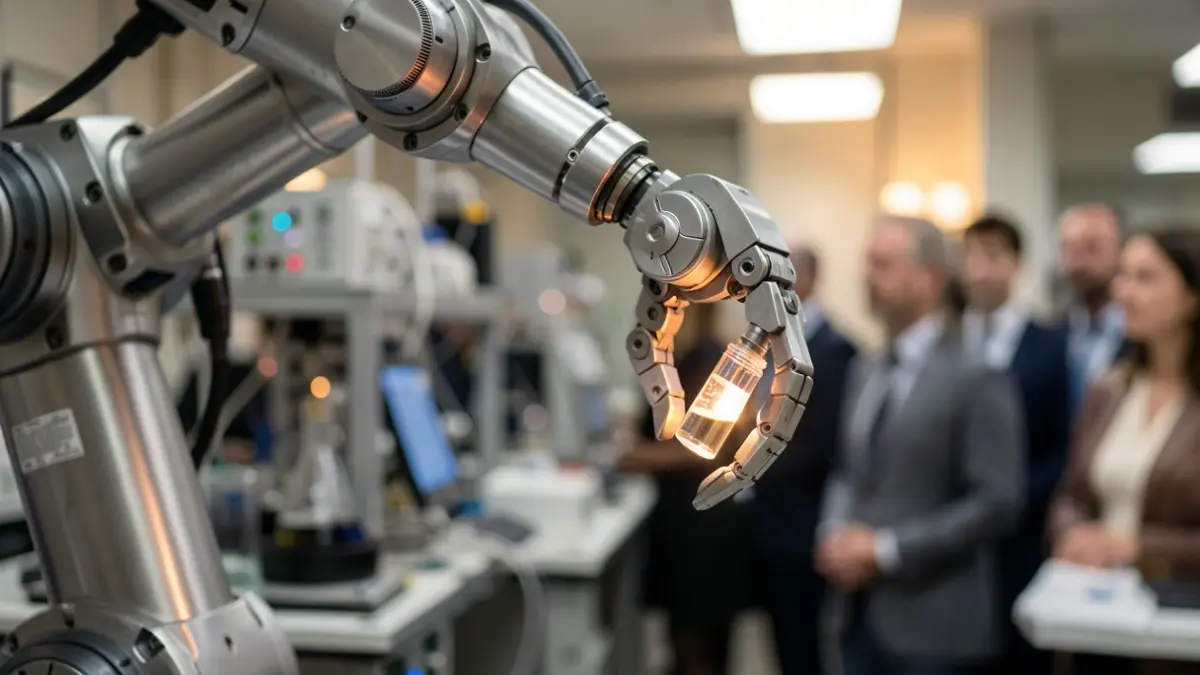
The system combines real-time environmental sensors, advanced robotics, and a 'digital twin' of the deep-sea environment to continuously monitor and adjust conditions like pressure, temperature, and chemical composition. Using deep-learning technology and robotic tools, individual microbial colonies were recognised and collected without removal from the high-pressure environment. The platform successfully maintained a complex community of microorganisms for 180 days.
Beyond discovering new microorganisms, this technology could help answer fundamental questions about the role of microbes in global processes like the carbon cycle. The same approach may eventually be adapted to study microorganisms in other extreme environments, such as high-temperature hydrothermal vents.