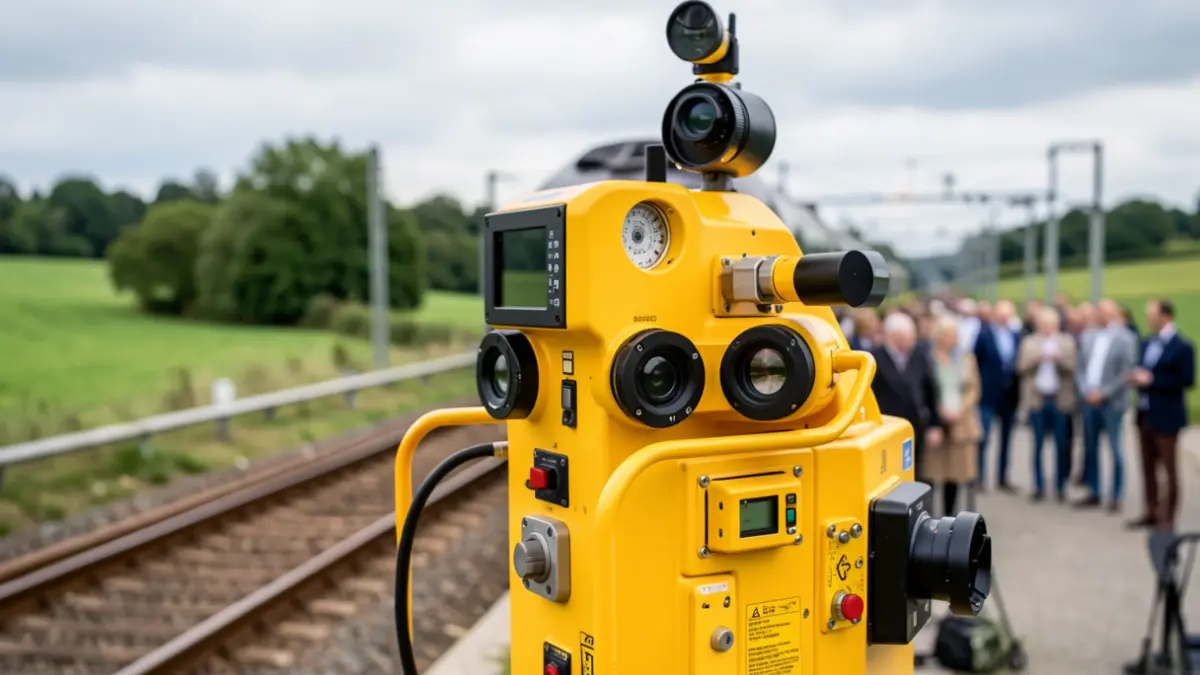
The distinctive yellow NMT, equipped with lasers, cameras, and real-time image analysis technology, provides a high-speed health check of the railway. This allows engineers to identify developing faults before they become significant safety or performance issues, enabling targeted maintenance work.
The train is particularly crucial during autumn and winter. This year, forecasters predict more storms than usual due to El Niño's impact on global weather patterns, making the NMT's role in ensuring the rail network's readiness even more critical. Stormy weather presents challenges such as heavy rain overwhelming drainage, strong winds bringing debris onto tracks, and autumn leaf fall reducing train wheel grip.
Lisa Angus, Network Rail's Industry Weather Response Director, highlighted the NMT's contribution: “The NMT is a brilliant example of how technology helps us understand what is happening on the railway, spotting developing problems early so our teams can take action before they affect passengers.” She added that it is part of a larger effort involving leaf-busting trains, drainage work, and enhanced weather monitoring and forecasting.
Across the railway, teams are managing vegetation, monitoring vulnerable locations, and implementing seasonal timetables. This autumn, the fleet of 67 leaf-busting trains will travel over one million miles to remove slippery leaves from rails and apply treatments to improve grip. The rail industry is investing £2.6 billion between 2024 and 2029 to improve weather and climate resilience.
Passengers are advised to check their journey details before travelling when severe weather is forecast and follow advice from their train operator and National Rail Enquiries.