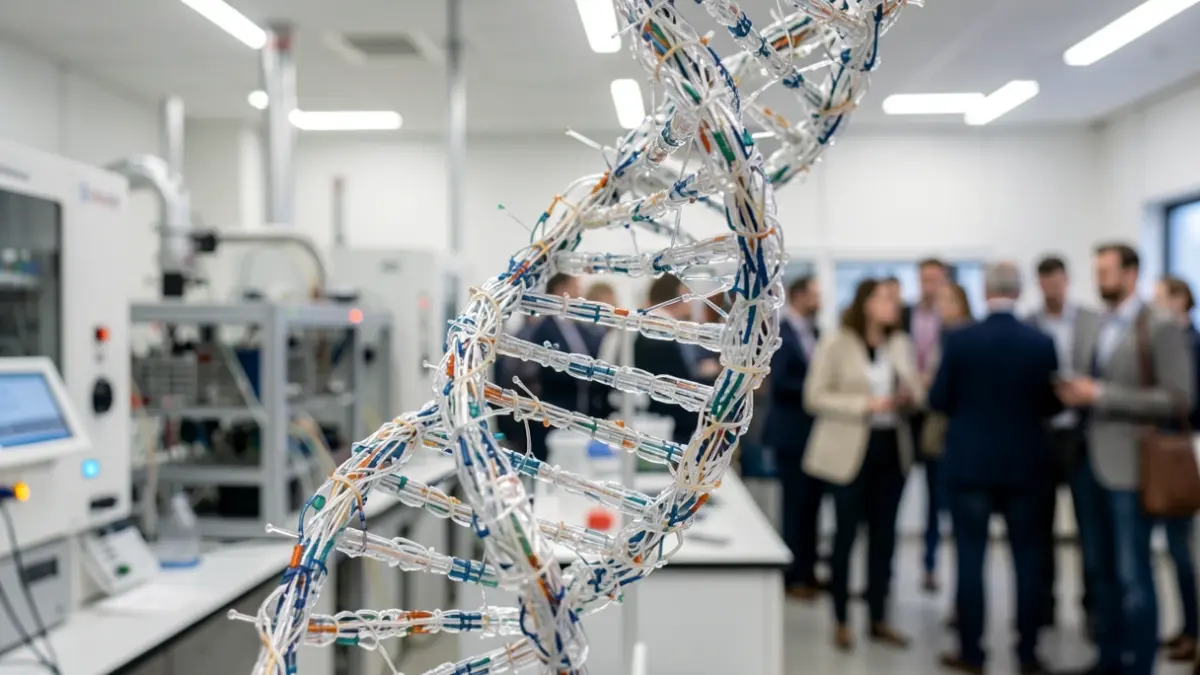
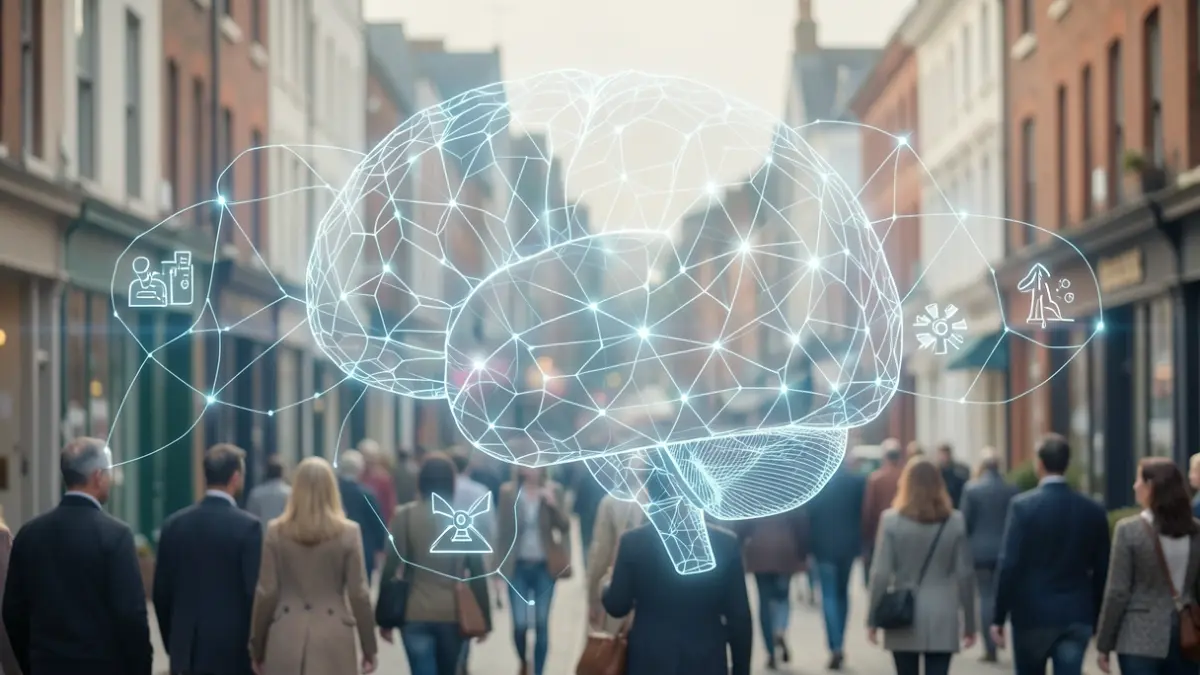
A new cohort of researchers will use artificial intelligence (AI) to tackle some of society’s biggest challenges. This includes developing AI-powered tools that could unlock new therapies and revolutionise disease diagnosis, improve nuclear safety, and support the UK’s transition to clean energy.
UK Research and Innovation (UKRI) announced the fellows through two complementary fellowship schemes: the Turing AI Pioneer Interdisciplinary Fellowships and the Turing AI Global Fellowships. The Pioneer scheme started in October 2026 and will run for three years, while the Global Fellowships begin in 2027 and will run for five years.
The funding will help strengthen the UK’s AI capability by both advancing core AI research and accelerating the adoption of AI across disciplines. The schemes aim to attract world-class AI researchers to the UK and enable leading experts from other disciplines to use AI to drive new discoveries and innovation.
Delivered by the Engineering and Physical Sciences Research Council (EPSRC), both schemes form part of UKRI’s wider investment in AI through its Industrial Strategy (IS) 8 AI Priority Programme. This initiative supports the UK government’s Industrial Strategy and contributes to UKRI’s broader investment of over £11 billion in high-potential sectors.
Professor Charlotte Deane, Senior Responsible Owner for the UKRI IS8 AI Programme and Executive Chair of EPSRC, stated, "AI has enormous potential to transform the way we understand and tackle some of the biggest challenges facing society. These fellowships will give outstanding researchers the freedom and support to push the boundaries of AI itself, while also applying it in new ways across a wide range of disciplines."
The fellowships will support research in areas such as improving neutrino measurements for nuclear safety, developing AI tools for understanding underground conditions for cleaner energy, unlocking historical data from handwritten wills, developing trustworthy AI systems for rare event identification, designing proteins for medicine and environmental sensing, and using health data for personalised healthcare.
The new fellows join a growing Turing AI Fellowships community that has already helped launch start-up companies, attract investment, influence policy, and train future AI researchers. This cohort will help ensure the UK remains at the forefront of AI research and innovation, supporting growth and high-skilled jobs.