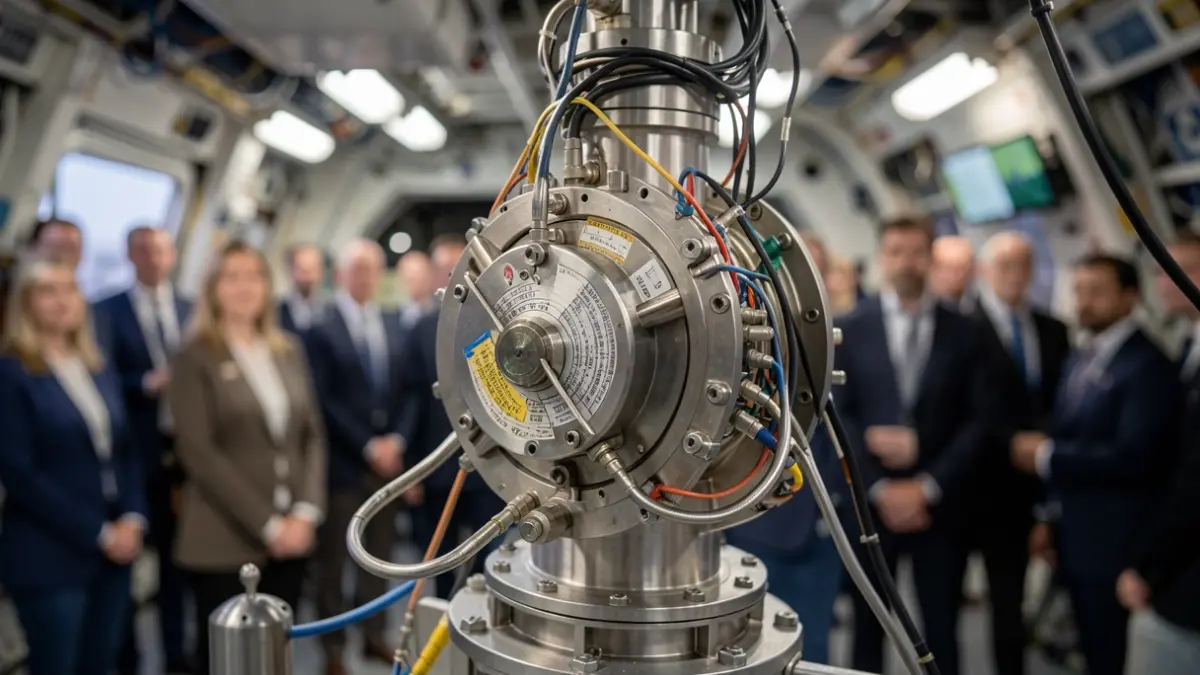
The four-year project, named Computing with Actin Network, is led by Professor Andrew Adamatzky at UWE Bristol’s Unconventional Computing Laboratory. Researchers will explore the potential of using networks of actin filaments, abundant proteins found in living cells, to process information and perform logical operations, potentially leading to new types of computing devices.
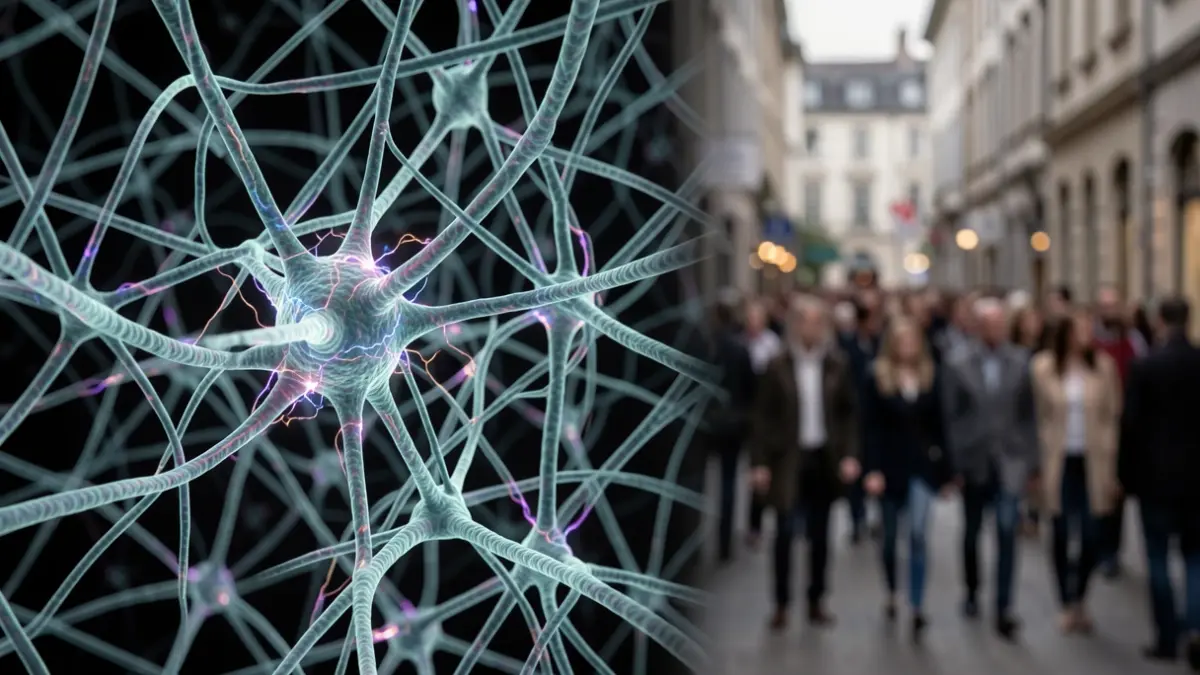
Actin filaments form microscopic structures that support cellular functions and can assemble into complex networks capable of conducting electrical and ionic signals. The project aims to leverage these properties for computing systems at molecular and microscopic scales. Researchers plan to investigate how these networks can be grown, organised, and controlled to perform computational tasks, with the development of experimental prototypes for components like resistors, capacitors, and transistor-like devices.
Professor Adamatzky stated, “We are exploring the possibility of making computers from the same proteins that form the internal skeleton of living cells. Instead of manufacturing every component, we want to investigate whether networks of protein filaments can grow into structures capable of processing information. This is fundamental research, but it could open entirely new directions in computing technology.” He added that actin-based systems could exploit the natural ability of biological materials to self-assemble and respond to their environment, unlike conventional silicon-based computers.
This research builds upon previous theoretical studies and laboratory observations of electrical activity in actin filament assemblies. The funding from the Engineering and Physical Sciences Research Council (EPSRC) will enable the transition from theoretical models to experimental computing devices. Potential long-term applications include biodegradable electronics, molecular-scale information processing, and hybrid systems combining biological materials with conventional electronics.
The project, funded by the EPSRC, part of UK Research and Innovation (UKRI), will involve expertise from unconventional computing, molecular biology, polymer chemistry, nanotechnology, and electronic engineering. Findings and prototype designs will be shared with the scientific community. Professor Adamatzky's recent book, Weirdware: Touchable Unconventional Computers, also explores unconventional computing materials.